
To researchers, peer review is the driver of academic legitimacy. However, behind this principle of scholarship is a hidden, frequently unexpressed human cost: the psychological price. The process may be a cause of crippling self-doubt, deep anxiety, and stress. Although rejection is an understandable element of the publishing process, its effects do not have to be paralysing. Strategic preparation is an act of power and pro-active intervention, which can protect the well-being of a researcher. A publication-oriented support system, such as the one provided by Mars Publications, is invaluable. It helps transform a potentially traumatic experience into a professional discussion.
Peer Review Whacks Researchers So Hard
Peer review has emotional consequences, based on a number of factors. First, it has deep personal and professional investment in the research- it is frequently the work of years. This creates a sense of power disparity, where a formidable influence is held by anonymous reviewers. Uncertainty gets deeper with the ambiguity of the language (vague, needs stronger), which forces authors to interpret subjective criticism. Added to this is time pressure and stakes in a career. Without a clear plan or Reviewer Comment Support, researchers may find themselves vulnerable to this landscape. And easily lose, transforming the constructive criticism into a personal distressing situation.
Popular Psychological Impact of Peer Review
The mental implications are very tangible and far-reaching. Some researchers feel vivacious imposter syndrome and doubt their expertise after receiving sharp feedback. Resubmission fatigue may be an outcome of a deep-rooted fear of rejection that prevents working with a revised text. Reviewers tend to mistake their tone and assume that some academic language is hostile. Faced with a decision that requires significant revisions, others go into decision paralysis over what to do. When not controlled, this cycle of stress directly decreases productivity and can even discourage researchers from submitting to high-impact journals, shutting down scientific communication.
Connection between Bad Preparation and Review Stress
Much of the anxiety involving reviews is the result of pre-submission problems that may be avoided. More often than not, manuscripts are desk-rejected due to a single reason: a mismatch with the journal’s scope, insufficient argument structure, or formatting. Such rejections are especially brutal since they can be avoided. Once a paper is forwarded to review, and it is of low quality, the response is shotgun and excessively critical, but it does not show subtle efforts at improvement, and attempts to fix some of the fundamental issues. In this respect, careful preparation becomes the initial and most efficient mental-health intervention in the publishing process. It preconditions more specific and positive feedback. This value is based on the strategy at Mars Publications, which puts more emphasis on pre-submission preparation to alleviate the downstream pressures.
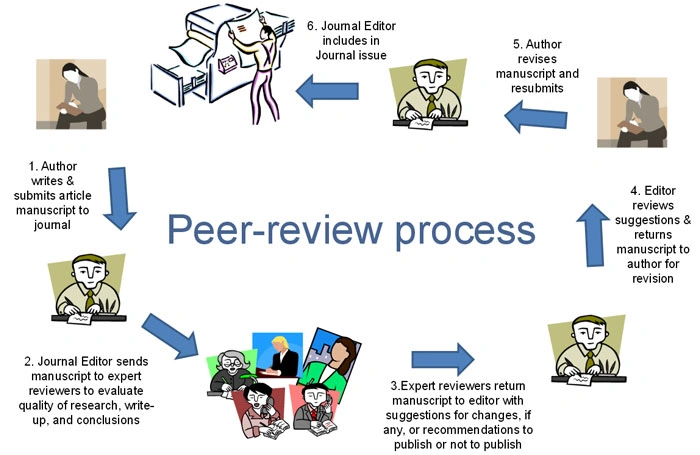
How Pre-Submission Preparation Improves Reviewer Trauma
Practising thoroughly before clicking on submit is the best way to immunise oneself against the writing of negative reviews. A properly drafted manuscript offers more focused, easy-to-deal-with feedback.
- Clear Structure of argument: The argument has a flowing narrative and makes it easier to follow and evaluate the core contribution by the reviewers, and thus minimises misunderstandings.
- Expecting Objections of the Reviewers: Adding strengths to the discussion in advance is a sign of scholarly rigour, and it avoids the major objections proactively.
- High Methodological Clarity: A clear methods section, which is transparent and replicable, addresses underlying questions which may topple a review.
- Journal-Specific Formatting: This is professionalism and respect to the process that the journal has, and it creates a positive first impression.
- Internal Peer Review: To seek the attention of colleagues ahead of time makes the blind spots evident and the manuscript tougher.
Such an extensive preparation significantly softens the emotional shock of the response to receiving the feedback, since the comments are more apt to be editing than statements if the work itself lacks merit.
Processing Commenter Reviews without Emotional Burnout
A strategic approach is very necessary when the comments come up. It starts with the objective reading of them, which is the analysis of the request as opposed to the tonality. It is clear to place feedback into categories, the kinds of minor corrections that do not necessitate serious revisions and the ones that are optional suggestions. The creation of a response requires logic rather than defensiveness; every argument must be made, and the way to deal with it must be well communicated. Complex or contradictory reviews are important to professional Reviewer Comment Support. A point-by-point feedback response report is useful not only to the editor, but it also improves the ability of authors to systematically process feedback, which regains a feeling of control and confidence over the work.
The Role of Reviewer Comment Support
Professional Reviewer Comment Support is an intervention, not just an editorial service. It will serve as an intermediary between unwelcoming feedback and the researcher, turning ambiguous or offensive remarks into sensible and practical revision strategies. This decreases cognitive congestion and paralysis of decisions. The ability to maintain the voice and intent of the author, as well as to make the required concessions, helps to avoid the feeling that the paper has lost its voice to reviewers. This becomes an experienced editorial mediation that makes the process of stressful mandate a focused developmental task. Structured Reviewer Comment Support is, then, a pillar in lessening the psychological effect of revision.
How Mars Publications Can Ease Peer Review Stress
This is a high-stakes process that does not have to be a one-man effort. Mars Publications is an accountable publication partner, and it focuses on minimising the risk of rejection and emotional distress. Its end-to-end advice makes sure that manuscripts are submission-ready, are strategically aligned and made resistant to the usual critique. Mars Publications will secure the expert mediation of Reviewer Comment Support when the reviewer comments come in, and it is necessary to create impressive, polite rebuttals and amendments. The general aim is to give researchers the strength so that they can relate to peer review not as nervous affiliates, but as confident, prepared persons.
Conclusion
Peer review will remain as a stringent quality adjudicator. However, it is not a law of academia that it has a psychological price. Perfect preparation can make the difference between the success and failure of submissions, as well as the attitude of the researcher towards the process. The pangs of suffering are mitigated by anticipating the response and creating strong manuscripts. Researchers can once again feel agency through access to the relevant resources, including professional Reviewer Comment Support and partners like Mars Publications. The way to publication is therefore easier, less stressful and ends up more fruitful, not merely in smarter publishing but more resilient researcher.