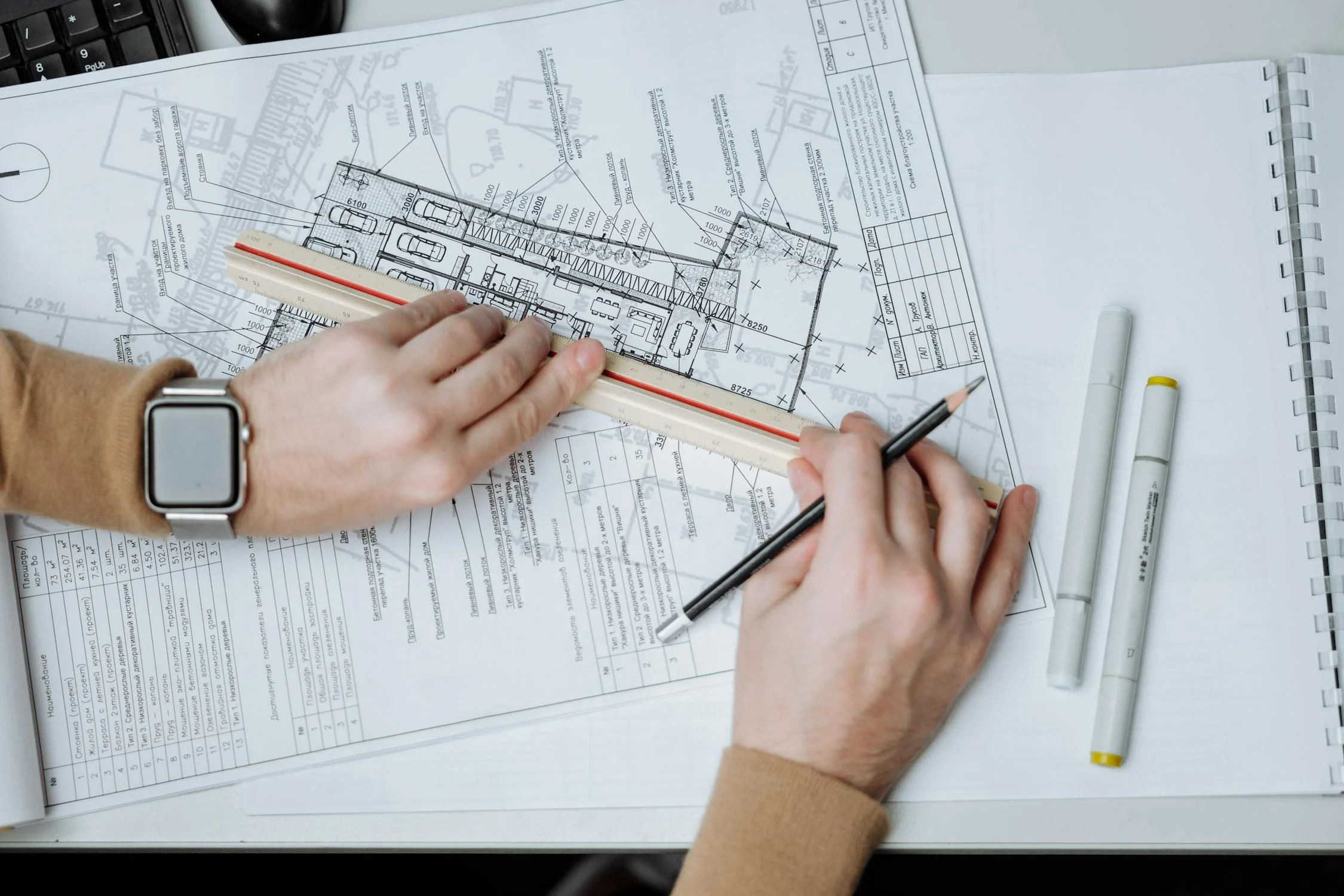
Engineering and computer science papers carry a specific kind of language problem. Dense technical terminology. Mathematical notation embedded in prose. Algorithm descriptions that need exact precision. A general editor without an engineering background can miss real errors. They can also introduce new ones by simplifying language that needed to stay precise.
This guide covers what technical editing Saudi Arabian researchers actually need. It also covers how this differs from general manuscript editing.
Why General Editing Falls Short for Technical Papers
تحرير الأبحاث العلمية في التخصصات الهندسية يحتاج إلى فهم عميق للمصطلحات التقنية، وليس فقط مهارات لغوية عامة.
A general editor focuses on grammar, flow, and readability. This works well for many fields. It falls short for engineering and computer science papers. Here, a single word choice can change technical meaning. An editor without domain knowledge might smooth out phrasing that was actually precise. They might replace a specific technical term with a more common but less accurate synonym.
What Technical Editing Needs to Cover

Terminology precision comes first. Technical terms need to match current field conventions exactly. They need to read smoothly too, but precision comes first. An editor familiar with your subfield catches inconsistent terminology. A general editor would likely miss it entirely.
Mathematical and algorithmic notation needs careful handling. Editing prose around equations or algorithm descriptions requires understanding what the notation means. It is not just about how the text looks on the page. A misplaced edit here can introduce a genuine technical error, not just a stylistic one.
Figure and table clarity matters more in technical papers than in many other fields. Engineering and computer science papers rely heavily on diagrams and data tables. These often carry core arguments. Technical editing should check that captions and in-text references stay precise and consistent throughout.
IEEE-Specific Technical Editing Considerations
IEEE paper editing, which Saudi Arabian researchers often need, comes with extra formatting requirements. IEEE’s citation style and strict template structure interact with technical content in specific ways. General formatting checks often miss these interactions. An editor working on an IEEE submission needs to understand both the technical content and IEEE’s structural rules together, not as separate concerns.
Common Technical Editing Mistakes

Using an editor with no background in your specific subfield. This often results in edits that read smoothly but introduce subtle technical inaccuracies.
Treating equations and algorithm descriptions as plain text during editing. This can break notation formatting or introduce errors in mathematical expressions.
Skipping a technical accuracy review after language editing. Grammar correction alone is not enough for a technical paper. A separate technical accuracy pass catches errors language editing alone would miss.
How to Evaluate Whether an Editor Understands Your Subject?
Ask direct questions before committing to an editing service.
Does the editor have background in your specific subfield, not just engineering broadly?
Will a subject matter reviewer check technical accuracy separately from language editing?
Does the process include an IEEE-specific formatting review, if that is your target venue?
Once you get answers to these questions, separate a genuinely qualified service from a general one applying broad language rules to specialized content.
Working With an Editor When Your Paper Involves Novel Methods
Papers introducing a new algorithm or an original model need extra care during editing. These sections describe something without an established name in the literature yet. A technical editor needs to preserve your exact intended meaning here. They also need to improve clarity without defaulting to generic phrasing that could blur what makes your contribution novel.
Flag these sections directly when you send your manuscript for editing. Let the editor know which parts describe genuinely new methods. Let them know which parts apply established techniques instead. This distinction matters. Established terms have a correct, expected phrasing. Novel contributions need language that is both clear and precise enough to hold up under review.
Reviewing Edits to Technical Content Before You Accept Them
Once you receive edited content back, do not accept every change automatically. Pay close attention to equations, notation, and specialized terminology. Read each technical section carefully. Confirm the edit preserved your intended meaning. A good technical editing process flags any change that affects technical substance. It should distinguish this clearly from a purely stylistic suggestion, so you know exactly which edits need your direct confirmation.
Get Technical Editing Support from Fast Publications
Scientific editing for Saudi Arabian engineering and computer science researchers requires editors who understand both language and technical substance together. Mars Publications pairs subject matter familiarity with language editing for exactly this reason.
Our manuscript editing services include technical accuracy review for engineering and computer science submissions. If your target venue is IEEE, our existing IEEE guidance page, already live on Mars Publications, covers formatting specifics directly. For journal selection guidance in engineering specifically, see Fast Publications’ engineering journals guide.
Frequently Asked Questions
Is technical editing different from general manuscript editing? Yes. Technical editing requires subject matter familiarity in addition to language skills. Terminology, notation, and figure references get checked for accuracy, not just for grammar and flow.
هل يختلف التدقيق الفني عن التدقيق اللغوي العام للأبحاث الهندسية؟ نعم، فالتدقيق الفني يتطلب فهما عميقا للمصطلحات التقنية والرموز الرياضية. أما التدقيق اللغوي العام فيركز على الجوانب النحوية والأسلوبية فقط دون التعمق في الدقة التقنية.
Can a general editor without an engineering background still help with my paper? They can help with basic grammar and flow. A separate technical accuracy review is still necessary, though. It catches errors specific to your field that a general editor cannot identify.
ما أهمية مراجعة دقة المصطلحات التقنية بشكل منفصل عن التدقيق اللغوي؟ لأن الأخطاء التقنية قد لا تظهر كأخطاء لغوية واضحة. قد تكون الجملة سليمة نحويا لكنها تحمل مصطلحا غير دقيق علميا، وهو ما يتطلب مراجعا يفهم المجال التقني تحديدا.
Does IEEE require different technical editing than Elsevier or Springer journals? IEEE’s citation style and template structure add specific formatting requirements. These go beyond general technical editing. An editor working on an IEEE submission needs familiarity with both the technical content and IEEE’s structural expectations.