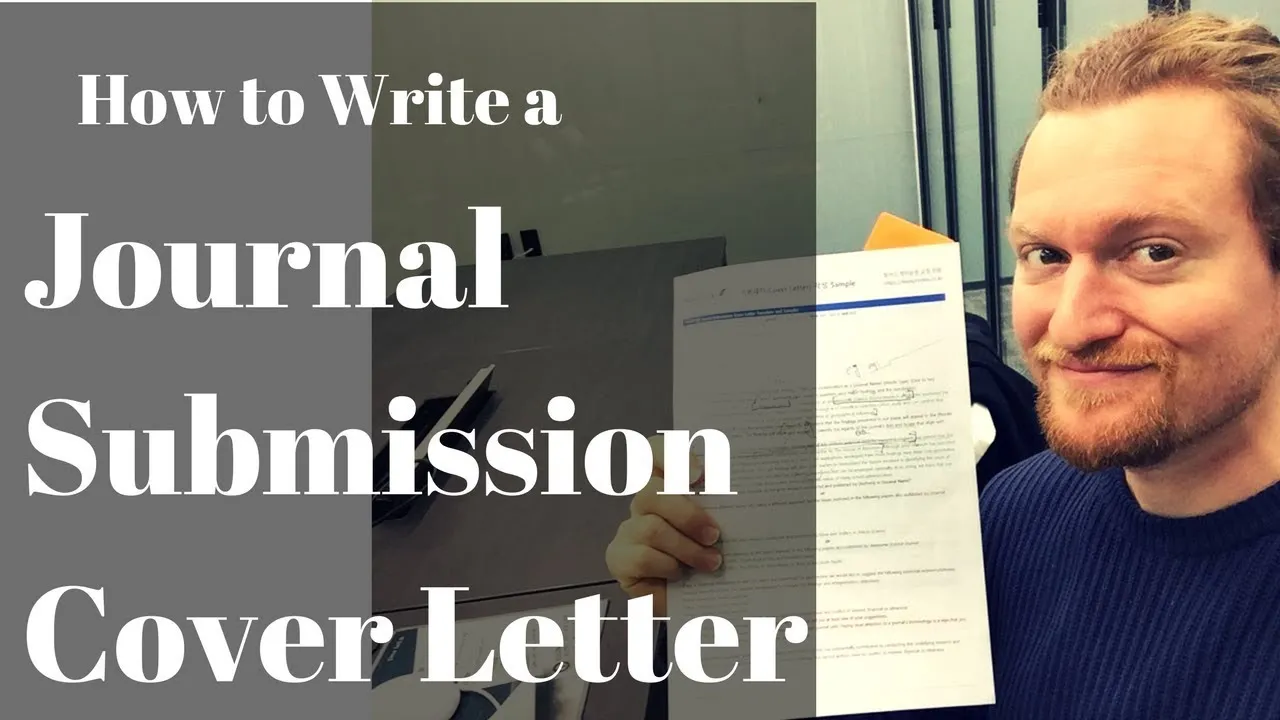
The cover letter for journal submission is what can make or break your research paper. Most of the researchers devote a lot of time to perfecting their manuscript and forget to write a cover letter, which is an opportunity lost to create a good first impression. When you submit a paper to a journal, the editor will read your cover letter first, and then he will open the manuscript, and in this short letter, you have to demonstrate the worth, originality and applicability of the work in a short time.
Mars Publications assists researchers in writing convincing, straightforward cover letters that are of editorial quality and increase the chances of being accepted. Here, you will find out what the editors are seeking, the most common mistakes, and how to format a cover letter that will support your submission.
Why the Cover Letter Matters?
Editors are presented with numerous papers every month. The cover letter enables them to make quick decisions on whether a paper is suitable for their journal and whether it is worth submitting to undergo peer review. An effective, precise, professional letter informs the editor that the author is aware of the goals of the journal, adheres to the submission guidelines, and does not waste the time of the editor.
Consider the cover letter as the introduction of the paper to the editorial team. It demonstrates why the study is important, why it is in that journal and that you have adhered to the guidelines of the journal. This step should not be ignored or taken as a formality because the process can be rejected at its initial stage before the peer review begins.
2. Essential Elements of an Effective Cover Letter
An effective cover letter does not necessarily need to be lengthy. One page is usually good, but it must contain the following important sections:
Header and contact details
Name, affiliation, email, and date. When possible, use the name of the editor (e.g., Dear Dr Smith). Only when there is no name, use Dear Editor.
Manuscript title and type
Indicate the name of the manuscript and its type (research article, review, case study, etc.).
Purpose and significance
Summarise the key findings and point out the contribution to the field in one or two brief paragraphs. Editors seek novelty, influence and topicality. Demonstrate the solution of a significant problem or a new perspective in your paper.
Journal Compliance
Provide a short reason as to why you selected this journal. Show that you know its size and target audience. State whether your research corresponds to current themes or special issues published by the journal.
Ethical statements and originality statements
State that the manuscript is original, and is not regarded in any other place, and that all authors are satisfied with the submission. In case of necessity, verify adherence to ethical standards, data access, and conflict-of-interest reporting.
Closing and gratitude
Close the letter politely with a thank-you and a short sentence that you are grateful to the editor and his time and attention.
Organising the Letter for the Maximum Impact.
The following is a basic yet efficient outline that is applied by professionals in Journal Submission Services:
Paragraph 1- Introduction and purpose
Identify the name of your paper and its type. State that you are sending it to the potential publication in the particular journal.
Paragraph 2 – Summary of the study
Concisely explain what your study examines, how it was conducted, and what the key findings were. Do not be elaborate with data; be new and contributing.
Paragraph 3 – Journal relevance
State the reason why the paper is within the scope of the journal and how it will be of value to the readers. In case other studies of the same nature have been published, mention the way your paper builds on them or how they are different.
Paragraph 4 – Declarations
Add ethical statements, confirmation of authorship, and guarantee originality.
Paragraph 5 – Closing
Close politely, thank the editor who is willing to accept your submission and that you are willing to answer reviewer comments or provide further details.
Common Mistakes to Avoid
Good research may lose its credibility when the cover letter appears thoughtless. Avoid these frequent errors:
- Copy‑pasting generic text. Template letters are immediately identified by the editors. Make your content unique to the journal.
- Being excessively technical. The cover letter is not a brief abstract; be clear and direct, not mathematical and jargon.
- Not adhering to journal instructions. Every journal has different cover letter requirements- word limits, statement requirements or forms.
- Making exaggerated claims. Stay confident but factual. The editors like brief, evidence-based statements regarding the value of your study.
- Omitting declarations. Losing ethical statements or disclosure of funding may slow down processing or cause red flags.
Sample Opening You Can Adapt
The following is a simple illustration of a good opening paragraph:
Dear Dr, Mike
It is my honour to present our manuscript, which is entitled Exploring Nanomaterial-Based Catalysts for Sustainable Energy Applications, to the Journal of Applied Chemistry. This primary study examines the activity of newly prepared nanocatalysts in hydrogen generation, and the information presented can be of interest to the readers of the journal in the field of green energy and materials science.
This introduction is brief, topical and specific to the theme of the journal. Tone and detail to your field.
How Mars Publications’ Journal Submission Services Help?
It is not always easy to write a perfect cover letter, particularly when one is a non-native speaker of English or a researcher at the beginning of his or her career. Submission Services, such as Mars Publications, are professional journal submission services that offer professional assistance by:
- Checking the submission criteria of the journal and making your letter accordingly.
- Revising grammar, tone, and structure to be professional.
- Making sure that ethical and originality statements are up to international publishing standards.
- Writing several letters to be submitted to the journal or resubmitted on rejection.
- Assisting you in maintaining consistency in the language of the manuscript and the cover letter.
This kind of help is timesaving and, in a great way, increases the overall impression you make on the editors.
Final Checklist Before Submission
You should check this brief list before submitting your manuscript:
- Does the letter refer to the right editor?
- Does it indicate the title and type of the paper clearly?
- In 2-3 sentences, have you summarised your research?
- Why do you think your work is relevant to the journal?
- Do they include ethical statements, originality claims and author approvals?
- Is it less than a single page and does not have formatting mistakes?
Answering “yes” to all these ensures your cover letter meets professional standards and gives your submission the best chance for acceptance.
Conclusion
A strong cover letter isn’t secondary; it’s your manuscript’s first advocate. It tells the editor that you respect their time, understand their journal, and value clear scholarly communication. By following the structure and strategies outlined above, or by partnering with experts like Mars Publications, which specialise in Journal Submission Services, you can increase your paper’s visibility, professionalism, and acceptance potential.
Remember, in academic publishing, even small details like a well-crafted cover letter can make a big difference in getting your research noticed and published.