
Receiving reviewers comments may be exciting or frightening. You are aware that your paper passed the initial scrutiny and is under serious consideration. However, the feedback, in its details, may also be intimidating or demoralizing. The fact is, the comments of reviewers are not a downside. They are an opportunity to refine your work and to strengthen it.
Mars Publications assist researchers in overcoming the peer review process in a clear and confident manner. The ability to read and respond to the comments made by the reviewers can determine the rejection or acceptance of your paper.
Understand the Purpose of Reviewer Comments

Critics do not want to demolish your work. They would like to ensure that your research is as good as it can be. They are seeking:
- logical or data gaps
- poor writing or procedures
- is your study original, rigorous, and relevant
This information will make you see the comments as constructive. Each comment will bring your paper one step closer to publication in a reputable journal.
Read All Comments Thoroughly Before Responding
Do not be emotionally reactive and hasty to change. Read a comment numerous times and then act.
Best practice:
- Take a day or two to respond.
- Mark down points that are repeated in the comments of a number of reviewers.
- Divide the comments into three categories: major revisions, minor edits, and suggestions.
The order enables you to plan the changes without missing anything.
Stay Professional and Respectful in Your Response
You do not agree, but still, respond politely and professionally. Defensive tone may be detrimental to the opinion of the editor. You want to demonstrate that you are serious about the feedback.
Say such things as:
- We value this useful point.
- We have heard the concern and explained this section.
- Although we respect the point made by the reviewer, our data confirms the original interpretation.
- A courteous voice is professional and creates your credibility.
Address Every Comment. Point by Point
Editors like clear answers. Rather than redo the entire paper and leaving them to guess, prepare a response sheet (a rebuttal letter) in detail.
Response tips:
- Repeat the comment of the reviewer word-to-word.
- Write your response immediately below it.
- Indicate the places where you have changed the manuscript (such as Page 6, Paragraph 2).
At Mars Publications, our professionals assist in the development of compelling response documents that are detailed and persuasive to the needs of journals.
Differentiate Between Major and Minor Revisions
Not all comments are equal. Some require new analysis or additional experiments while some are wording or formatting. To clarify the research design or further discuss it. Major comments require clarification or expanded discussion. Evidence or data where possible; and revision of the conclusion to reflect new ideas.
In the case of minor comments: proper grammar, references, or figure names; and conform to the journal form. Striking a balance between the two will ensure that you have reviewed the work of the reviewers you like and at the same time maintain your paper neat.
Justify Your Position When You Disagree

A reviewer may sometimes misinterpret you or propose something that is not in your study. It is good to disagree but clarify in a polite manner and provide facts. As an example: “We like the observation of the reviewer. But we have omitted this point intentionally in order not to distract the attention of X. This reason was explained in the updated paper (Page 8). The polite disagreement demonstrates that you are well aware of academic discourse, that you are very familiar with your research.
Get a Second Opinion Before Resubmitting
You can also have a colleague or a professional editor to review your response letter and revised manuscript before resubmitting your paper. A new perspective can be used to make sure that your tone, reasoning and organization are clear and convincing.
The Mars Publications Reviewer Comments Support assists the researchers to perfect their answers, correct language, and ensure that any modifications comply with the standards of the journal prior to resubmission.
Submit Confidently and Follow Up Professionally
Once you submit the revised paper, allow the editorial team to look at it. In case it is not completed within the expected time, there is no harm of sending a polite inquiry once the review period has expired. Keep in mind, your patience and professionalism in the process are a good example of you as a researcher.
Why Partner with Mars Publications?
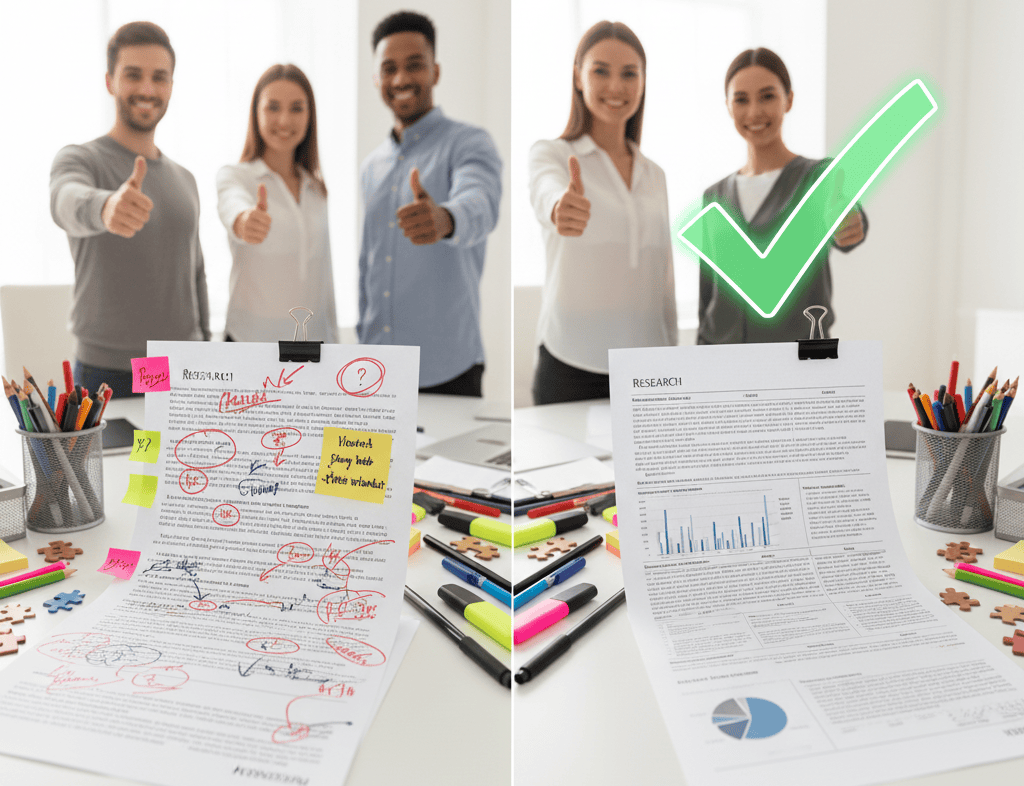
Peer review may be difficult, yet you do not have to do it on your own. Mars Publications provide services that assist the researchers in every step of writing the responses and submitting them again. We provide the following services: complete review of the reviewer feedback; professional editing and rewriting of response letters; extensive revision of the manuscript to follow the reviewer recommendations; and clarity, tone, and formatting. We just want your finished paper to be published to the required standards and increase the likelihood of acceptance.
Conclusion
In academic publishing it does not mean that the reviewer comments are a barrier. Their proper management will result in a stronger research, sharper arguments, and increase the likelihood of publication in a journal. At Mars Publications, we do not waste feedback and take it as an opportunity. Your paper will not only satisfy reviewers but will be more than they expected, with our professional help. A reply would lead to the next acceptance.