
You will want to ensure that your research paper is full, written clearly and without grammatical mistakes before handing it in. Ensure that it follows the formatting and submission criteria of the target journal, such as title, abstract, keywords and references. Make sure that all the figures, tables, and data is properly formatted. Make sure that you have referenced all of your sources in the correct way, that all authors have given their information and conflict of interest statements, and that you have a good cover letter. Last but not least, complete a pre-submission plagiarism check and prepare all the digital files and permissions.
Starting with meeting journal requirements and concluding with final ethical verification, there is a necessity to refer to the following checklist regarding the key steps and aspects to be considered when writing a research paper to submit it.
Manuscript and Content Quality
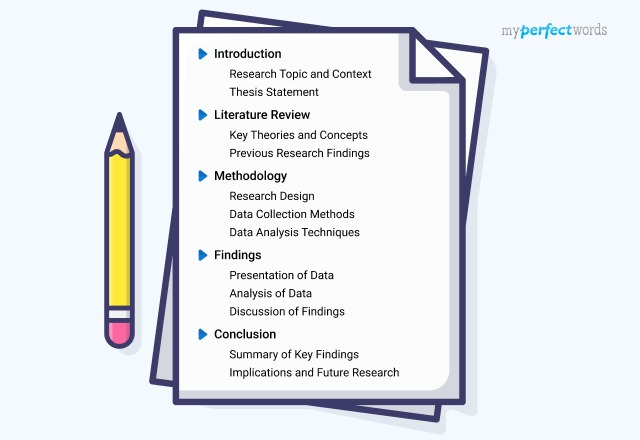
In order to submit a high-quality manuscript, there are some key areas that must be considered. The first thing is to ensure you are addressing the proper journal by ensuring that the topic, scope and type of article you are writing fit with the purposes of the journal. You can make sure your work is a good fit by reading the recent publications.
Then you must create an effective title and abstract. Title: It must be brief and informative, abstract is a direct clear summary of your study which must include the problem, methods, important findings and conclusion and that too within the required word count of the journal.
Be sure to include all elements before submission, such as the typical parts of the article such as Introduction, Methods, Results, and Discussion, as well as a conclusion, keywords, and acknowledgements. To improve clarity, look for a clear logical progression of the paper; you can read the paper aloud to notice some clumsy wording.
Last but not least, the last step is to proofread your manuscript and make sure that there are no grammar, spelling, and punctuation mistakes. Having a colleague read through would also be a good idea to get another person to look at it and spot those little mistakes that you might have missed.
Adherence to Journal guidelines
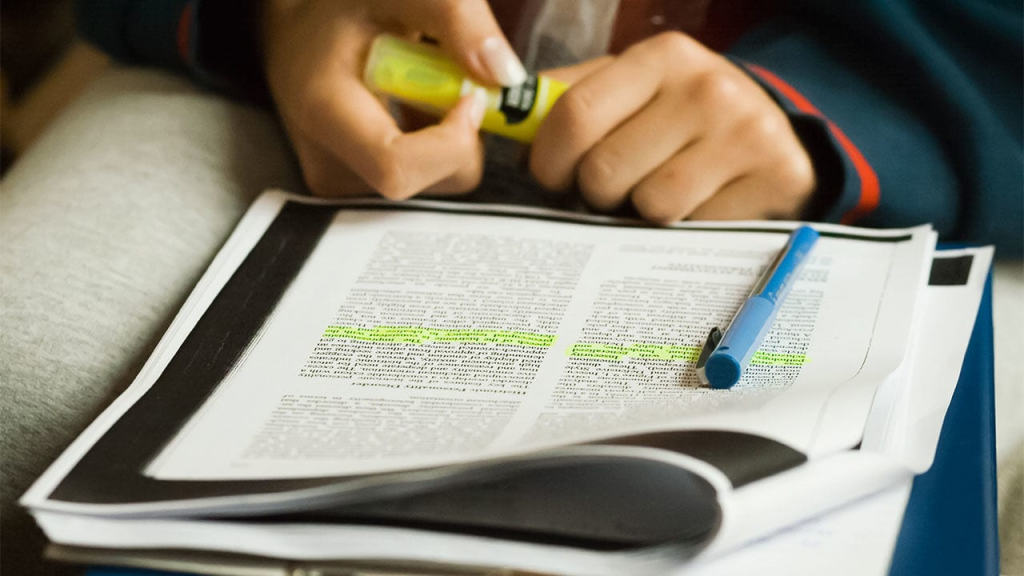
It is important to make sure that your manuscript follows journal guidelines before submitting it. To become familiar with the particular needs of the journal in terms of formatting, style, and structure, review the instructions to the authors carefully.
After you are well understanding, you can make your paper look proper by changing the font types and font size, spacing between lines, margins, headings, and overall structure to fit the specification of the journal. There is also the need to satisfy the style of citation of the sources used, make everything in-text citation format and the reference list all fit the format required by the journal APA, Chicago, or Vancouver. Always ensure that you check the number of words and pages, and ensure your abstract and the entire paper do not exceed the stipulated number. Finally, remember that you must upload the correct file format of all the components of your submission (e.g. manuscript, figures, and tables) as required by the journal (e.g. DOC, PDF, or TIFF).
Final Preparation

In terms of formatting, make sure you have adhered to all journal requirements in terms of word count, font and spacing, and format as these are reasons that often lead to desk rejection. Make sure that all author information is accurate, in the correct order, with the correct affiliations, and ORCID iDs, and that all authors are agreed.
Write an effective cover letter that describes your paper and why it will work. Add all the ethical statements required, e.g. conflicts of interest, approval by ethics committee, and funding statements.
Obtain the copyrighted material permission/copyright in case you use it in your manuscript.
Confirm the procedure of reviews and make your paper ready (you will be able to do it anonymously, that is, in the form of a double-blind review).
Last but not least, revise your paper with great attention and think about having a colleague or an expert editor read it. The manuscript can also be read aloud in order to find out where the phrasing is awkward. Check that your submission is complete and that you save all of the related files, and that they are saved in the appropriate file format as indicated by the journal.